
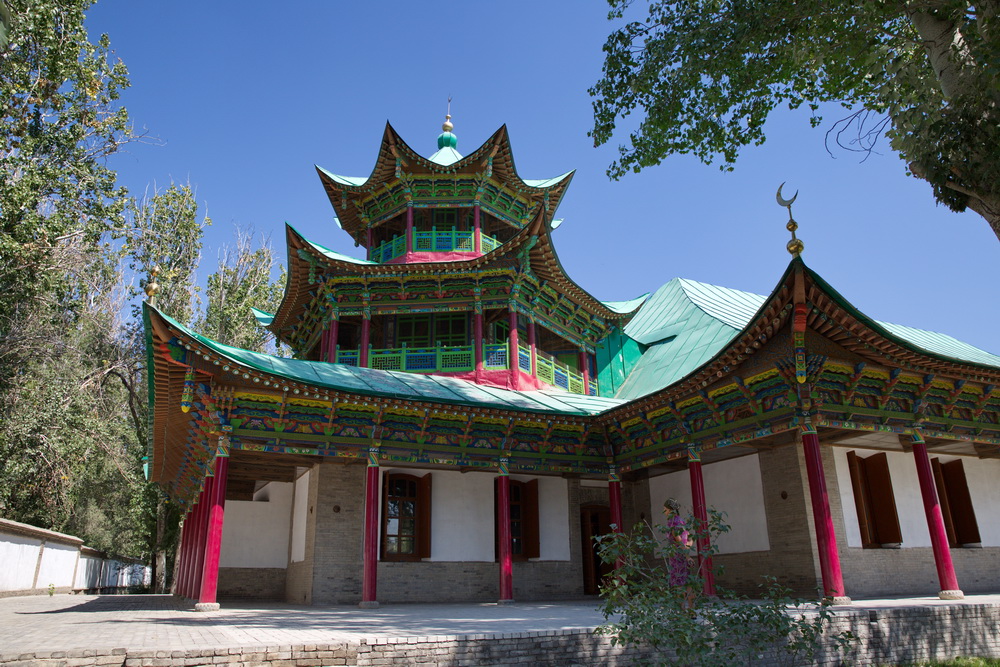

In the landscapes of Zhetysu, where the steppes give way to mountain foothills, stands a structure that doesn’t just preserve history — it embodies it in every graceful curve. The Zharkent Mosque is not just an architectural monument; it is a frozen melody of intercultural dialogue, where the whispers of the East meet the breath of nomadic winds. Its grandeur lies not in monumental stone, but in the elegance of timber — for it was built without a single nail, presenting the world with a true wonder of craftsmanship.
The Story of Its Origin: A Crossroads of Cultures
The life of the Zharkent Mosque began at the end of the 19th century, between 1887 and 1892. The idea was born from an enlightened merchant and philanthropist, Mukhametkali Ayyupov — a man of broad vision and a love for beauty. Dreaming of adorning his native Zharkent with a mosque to rival the marvels he had seen in China, he enlisted the help of an exceptional architect from the Celestial Empire — Master Hon Pike (also known as Hun Pik).
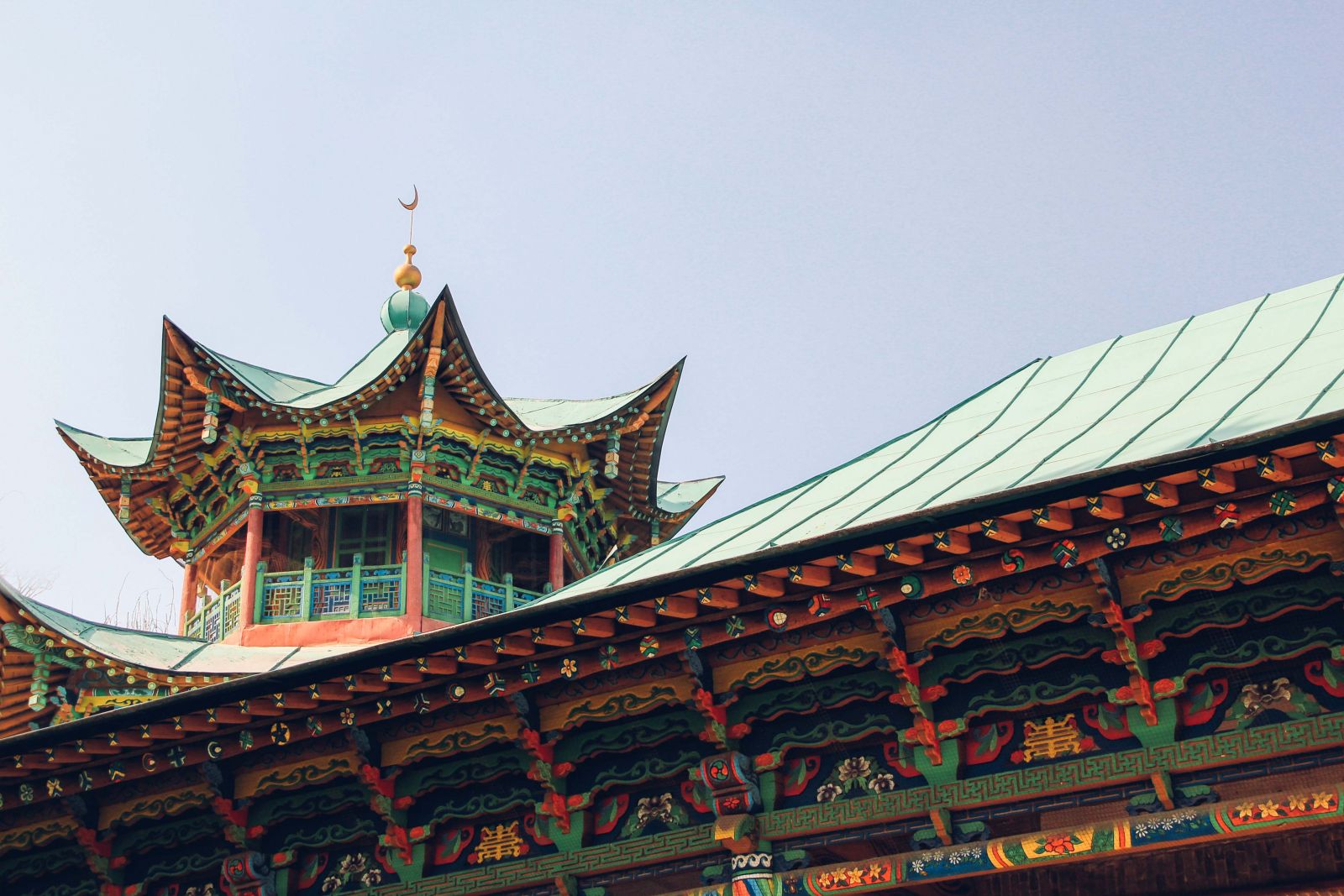
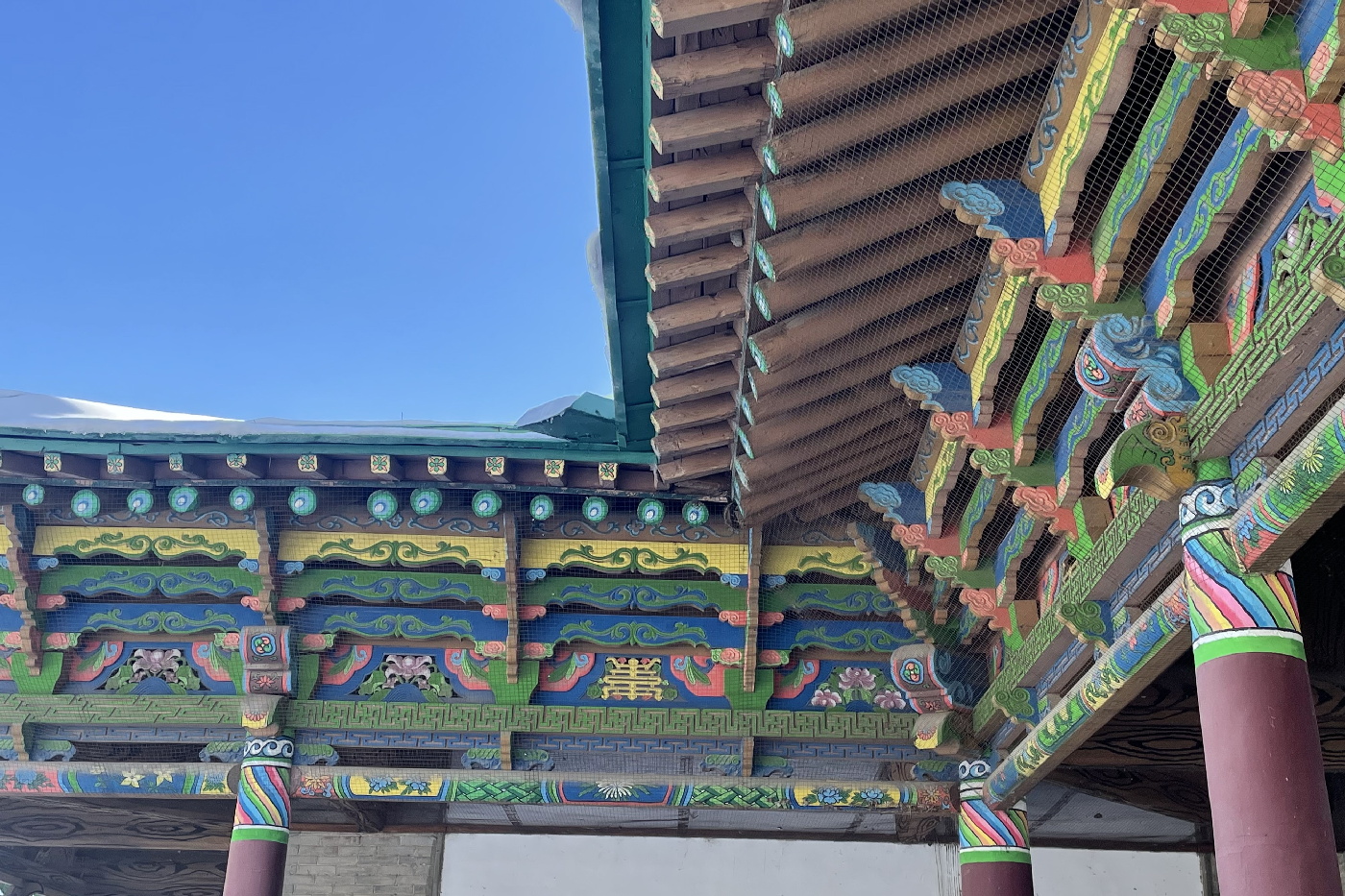
It was in this unique alliance — between the aspirations of a Kazakh patron and the genius of a Chinese artist — that this one-of-a-kind creation was born. The mosque’s most remarkable feature, evoking awe to this day, lies in its constructional purity: it is built entirely from carefully worked Tien Shan spruce, without a single metal nail. All structural elements, from powerful beams to delicate carvings, are joined using ancient carpentry methods — mortise-and-tenon joints, notches, and interlocks. This technique not only gave the structure incredible durability but also rare seismic resistance thanks to the flexibility of wooden architecture.
An Architectural Symphony: Echoes of the East in Central Asia
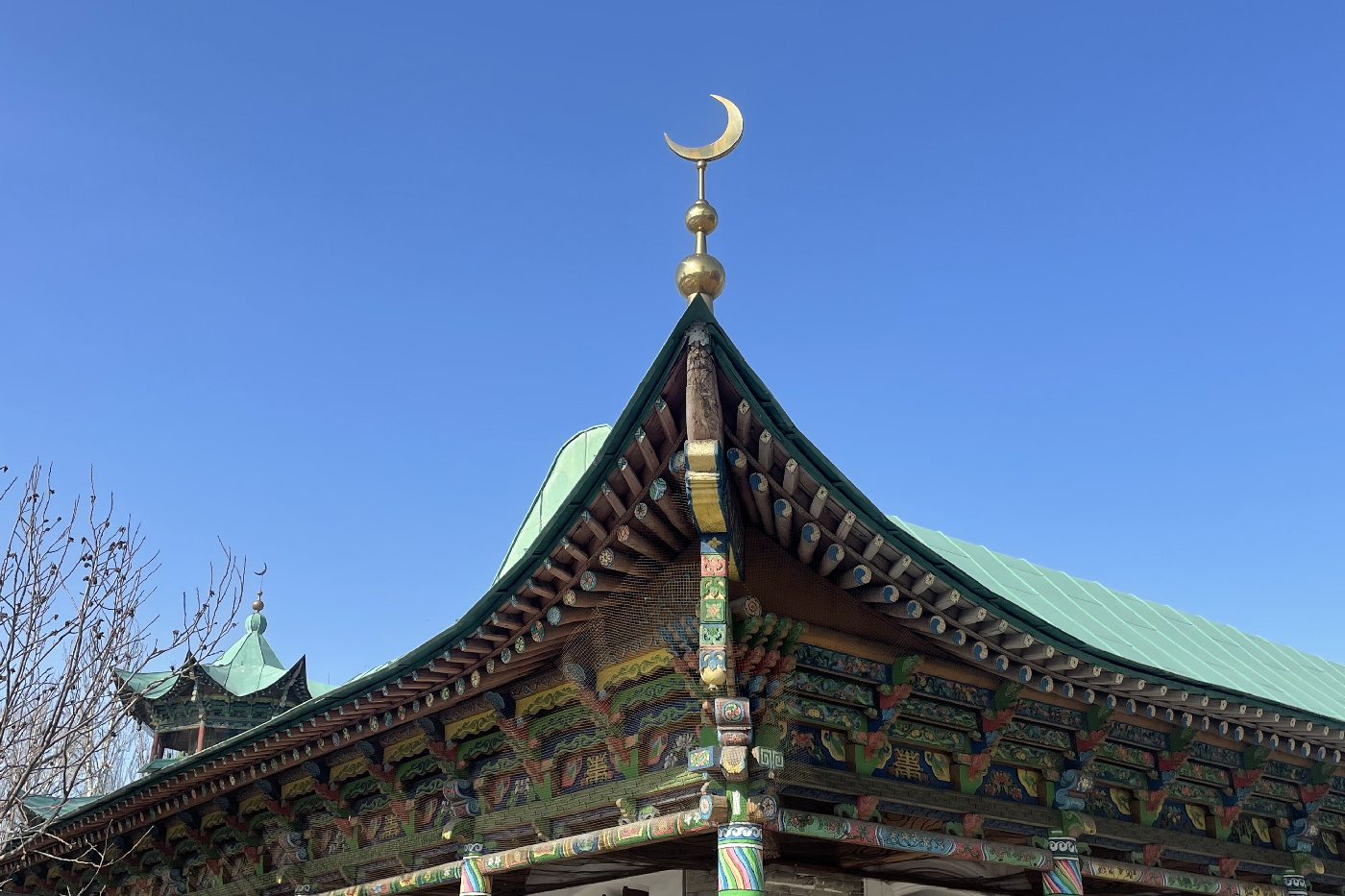
A single glance at the wooden mosque in Zharkent immerses you in a world of exquisite harmony. Its forms sharply differ from typical Central Asian mosques. Every line, every roof curve reflects traditional Chinese architectural canons, subtly resembling the outlines of Buddhist pagodas. The multi-tiered, gracefully curved roofs and abundant fine carvings in vibrant colors give an impression of weightlessness, as if the mosque hovers above the earth.
The interior is no less magnificent. Graceful wooden columns supporting the vaults are covered in masterful carvings. Walls and ceilings are adorned with intricate patterns where Islamic floral motifs blend seamlessly with the elegance of Chinese painting, creating a unique visual language. A separate wooden minaret completes this architectural ensemble in perfect harmony.
Legacy and Revival: A Mosque as a Mirror of Eras
For decades, the Zharkent Mosque remained a spiritual center for the region’s Muslim community. Yet its significance goes beyond religion. It stands as a vivid symbol of cultural interweaving and peaceful coexistence of peoples who for centuries co-created a shared history on Kazakh soil. The fact that a Chinese master built a mosque for a Muslim community is undeniable proof of this harmony.
Fortunately, during the turbulent Soviet era — when many religious buildings were destroyed or forgotten — the Zharkent Mosque was spared. In 1978, it was officially recognized as an architectural monument and transformed into a Museum of Wooden Architecture. This visionary decision preserved the unique structure. Today, the mosque serves dual purposes: it remains open to thousands of visitors as a museum and continues to function as an active house of worship.
A Call to Journey: Meeting Immortal Craftsmanship
In a modern world dominated by speed and standardization, the Zharkent Mosque stands as an oasis of genuine artistry. It recalls a time when every detail mattered, and people of different cultures could build together, creating eternal masterpieces. This isn’t just an architectural marvel — it’s a living history lesson, a testament to 19th-century engineering and an inspiring narrative of intercultural dialogue.
Visiting the Zharkent Mosque isn’t just a trip — it’s a deep dive into history and culture that can enrich anyone who dares to take this path.
- Location: Zharkent, Zhetysu Region, Kazakhstan — about 200 km east of Almaty, near the Chinese border.
- Accessibility: The road from Almaty takes 3–4 hours by car or bus from Sayran Bus Station.
- Visitor Guidelines: As a functioning religious site and museum, respectful behavior is expected. Modest clothing is recommended (women should cover their heads and shoulders; men should avoid shorts). Shoes must be removed before entering the prayer hall.
- Tip: Check the current museum hours and ticket prices in advance for a smoother visit.
The Zharkent Mosque is not just an architectural gem — it is a silent chronicler, a bridge between eras and cultures, telling its story not with words, but with perfect timber and unmatched craftsmanship. Add it to your travel itinerary in Kazakhstan, and it will leave an indelible mark on your soul.
0 Comment